



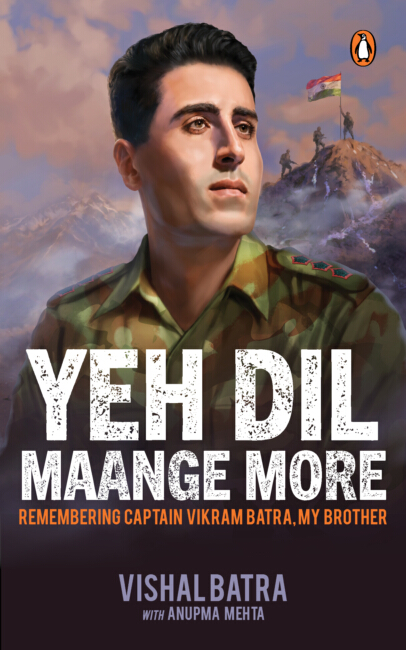
More than two decades after the Kargil War, Captain Vikram Batra continues to inspire a generation that never witnessed the battle. In this exclusive conversation with Ankur Vadhera, Managing Editor, The Lifestyle Journalist, speaks with Anupma Mehta author reflects on co-authoring Yeh Dil Maange More, revealing the untold story of the soldier beyond the battlefield—a devoted son, loyal brother, compassionate leader, and fearless patriot whose legacy continues to shape India’s collective memory.
Q-1 Captain Vikram Batra has become one of India’s most celebrated war heroes, yet every generation seems to rediscover him in a different way. When this project first came to you, what was the one question you felt had never truly been answered about his life, and how does this book attempt to answer it?
When this project was offered to me, the first question that occurred to me was not as to how to depict the heroism or patriotism of Captain Vikram Batra, as that story is already etched into the nation’s memory. Instead, what played on my mind was how to reveal the man behind the legend, the real person who was so motivated as to climb the icy mountains of Kargil in the dead of night with no hesitation or apprehension, enthusiastically ascending the treacherous slopes while leading his men to reclaim their land from intruders, a valorous soldier with the extraordinary ability to put collective purpose and duty towards the nation above personal safety. Based on his brother’s account, I wanted to bring out the subtle nuances of Vikram’s character, his personal values of courage and respect, his never-say-die attitude, his concern for his fellow soldiers, and above all what drove the fire that raged inside him to protect the country at all costs. It is this question that the book attempts to answer by carrying the reader through the memories and moments in Vikram’s life, through his aspirations and ambitions, his convictions and actions, that shaped his personality and guided his heroism. In this sense, our book tries to bridge the gap between the public hero and the private individual, a gap that had not been truly addressed earlier.
Q-2 Working alongside Vishal Batra meant entering an incredibly personal space. How did you earn his trust while helping shape such intimate memories into a book?
Here I must give credit to the publishers of the book, Penguin Random House India, who introduced us and charted the blueprint for our collaboration as co-authors of the book. As Vikram’s twin brother, Vishal was perhaps the closest to him as both of them had shared deeply personal memories and experiences, some of which were not even known to their immediate family members. My task was to explore this relationship with both sensitivity and understanding in order to obtain all the information, known and unknown, and curate it incisively for readers who had never seen these hidden facets of Vikram’s personality. My role was thus not to impose a narrative but to create an empathetic space where such information would flow organically, allowing us to document all recollections and structuralise them into a cohesive whole for readers.
Q-3 Captain Vikram Batra’s life has been celebrated in films, documentaries, and countless articles. What untold dimensions will readers discover in this memoir?
As I mentioned earlier, the tale of Vikram Batra’s courageous campaign and heroism in battle at Kargil have been extensively documented in films and articles, but there is hardly any historical account of his personal life and characteristics. Our book will, on the other hand, regale readers with personal anecdotes and several untold aspects of Vikram’s life. It would open up a window into the childhood escapades and adventures he shared with his twin brother and friends, their dreams, desires, and family values, the events that led to the day when he donned the Army uniform and the finality of his departure when he returned home wrapped in the national flag. The book also highlights Vikram’s emotional side through letters and family recollections, revealing his compassion, humility, and unwavering dedication to those he loved. Most importantly, by portraying an authentic portrait beyond the legend, the memoir captures Vikram not just as a war hero, but as a son, brother, and friend, allowing readers to connect with the person behind the uniform.
Q-4 The relationship between Vikram and Vishal forms the emotional heart of this book. What did their bond teach you about love, identity, and loss?
The emotional bond between Vikram and Vishal is one of the most endearing aspects of this book as it reflects a connection that goes beyond ordinary sibling relationships, a connection that has transcended time, distance, and death. Throughout their young lives, the brothers were focused on the singular goal of joining the Armed Forces and even though Vikram was selected in the first attempt while Vishal was not selected across two attempts, their common aspiration defines the narrative of the book. Their journeys, though following different trajectories and careers, continued to intertwine right till the end of Vikram’s life in the form of his letters to Vishal, the persistent support they offered each other in times of need, their shared moments of joy and sorrow, and other painful and poignant memories. This tale is ultimately about love, brotherhood, courage and loss, and as I was writing it, I could not help but marvel at the way fate was interweaving these elements, forging a timeless and unbroken association between two individuals that survives through remembrance and shared experiences.
Q-5 How challenging was it to translate Vishal’s deeply personal memories into a narrative that every reader could emotionally connect with?
One of the greatest challenges for me in writing the book was to honour the authenticity of Vishal’s memories and narration while reproducing them as a story that would resonate with readers. It also entailed connecting at a personal level with readers, enabling them to relate to the peculiarities of military life, the incidences that are unique to the lives of identical twins, and the ultimate twist of destiny that separated one from the other in the prime of their lives. I had to thus navigate the challenge of capturing the emotional truth behind these events and emotions without prejudice or judgement to deliver the story to readers through an unfiltered lens.
Q-6 Captain Vikram Batra is remembered as an extraordinary soldier, but who was Vikram when he wasn’t wearing the Army uniform?
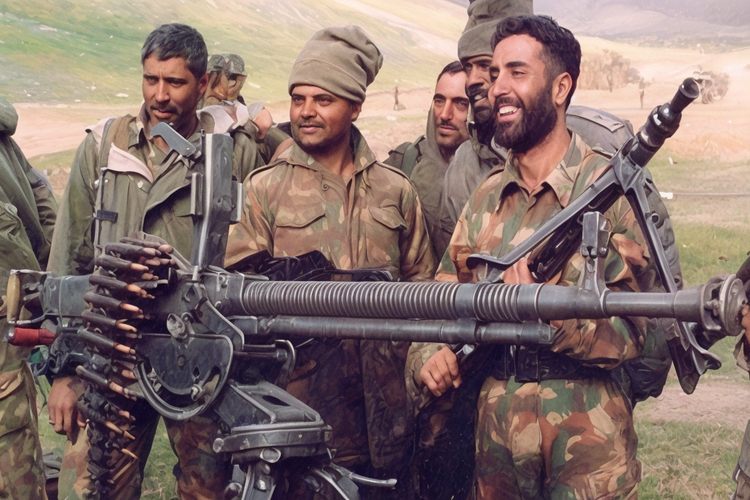
This is exactly the question that we are seeking to answer by writing this book—to take the reader into the spirit of Captain Vikram Batra, not just Vikram the incredibly brave soldier, but also Vikram the devoted son, the mischievous schoolboy, the loyal friend, the compassionate leader, the ardent lover, and above all, the closest confidant and companion to his twin brother. These qualities are reflected through various events described in the book, simultaneously underscoring Vikram’s sense of humour, optimism, humility, and concern for others before self. The Shershah (a sobriquet he justifiably acquired after joining the Army) was in reality a vivacious young man who lived life king-size but embraced death with equal fervour.
Q-7 Which chapter best captures the joy, humour, and warmth of Vikram’s personality?
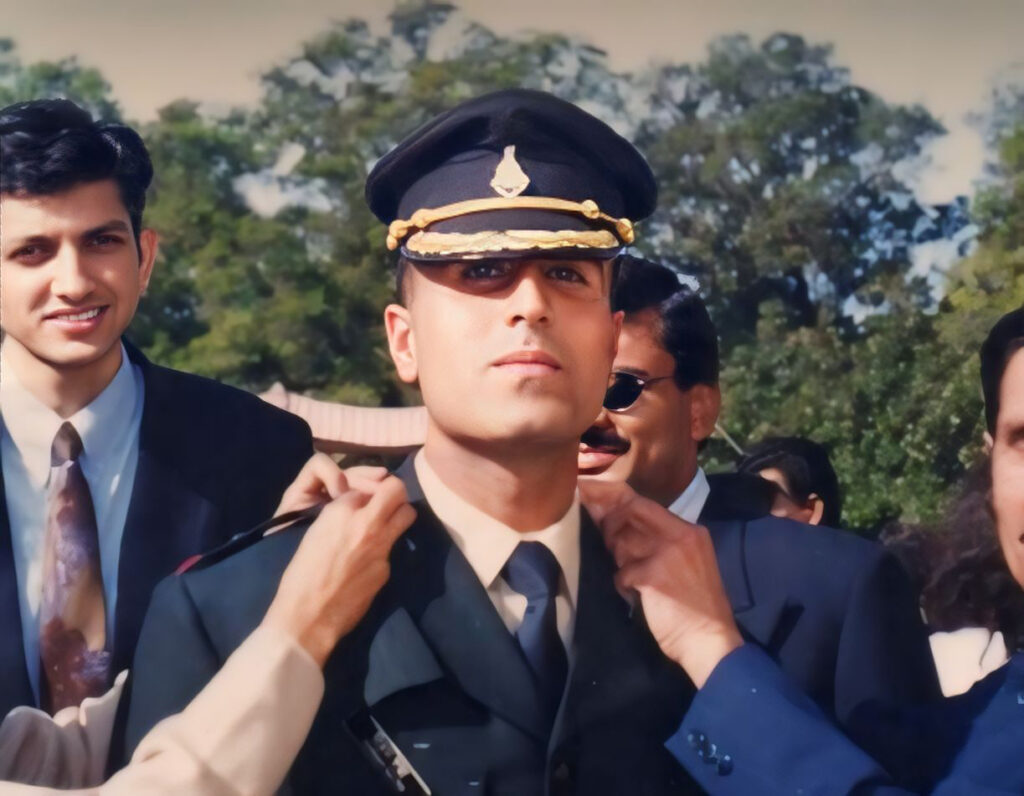
That would have to be the chapter titled ‘Memories Woven into the Shared Journey of Fulfilment’, which highlights Vikram’s occasional impetuosity, the obstinacy with which he insisted on getting an expensive motorbike as a reward for being selected as an outstanding NCC cadet, the fun-filled times he had with his closest buddy, Sandhu, and the shy outpourings of young love when he met his girlfriend Dimple in college. This chapter intuitively captures the warmth and vibrancy of Vikram’s personality before transitioning into a serious soldier after joining the Indian Military Academy as a cadet.
Q-8 “Yeh Dil Maange More” has become one of India’s most iconic military slogans. What does that phrase truly represent after spending so much time immersed in Vikram’s story?
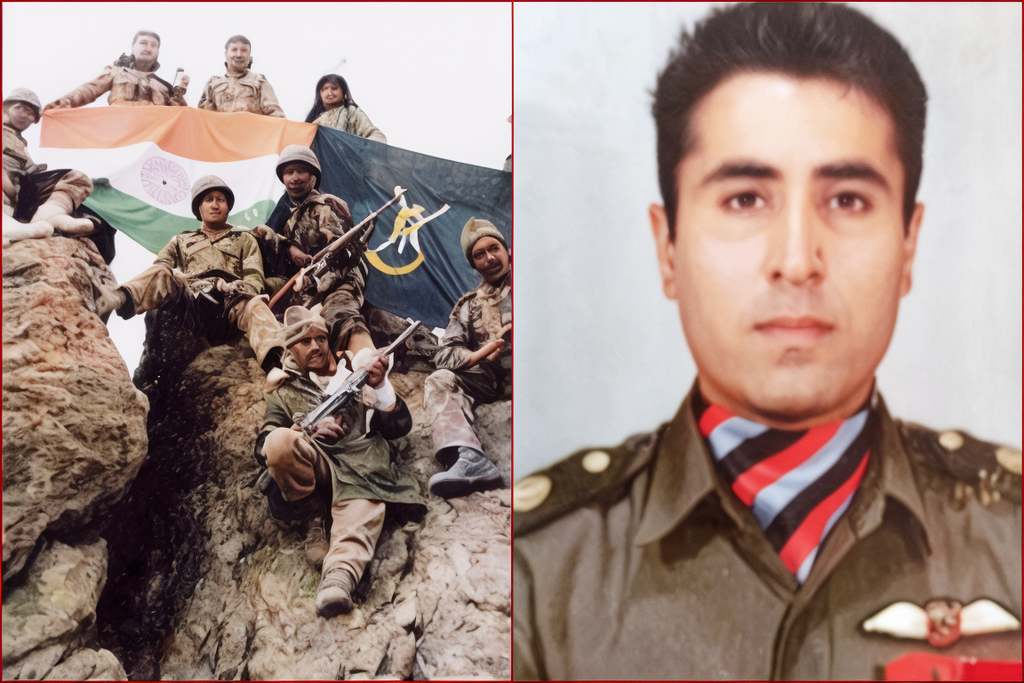
AM: This iconic slogan, immortalised by Vikram in the middle of one of the grimmest wars fought by the Indian forces, actually signifies a paradox. Uttered after vanquishing the enemy in a tremendously hard-fought campaign of the Kargil War, this victory chant is also a lesson for life, symbolising an unrelenting desire for success, refusal to give up or accept defeat, determination to strive for achievement, and the capacity to summon extraordinary energy and courage to deal with unexpected challenges. Both for me as a co-writer of the book and for prospective readers, these would be the primary takeaways from this resounding slogan and its continued resonance more than 25 years after it echoed in the unforgiving mountains of Kargil.
Q-9 Writing about sacrifice often demands emotional resilience from the author. Were there moments when you had to step away from the manuscript because it became too overwhelming?
Absolutely, writing a book that traverses such a moving journey takes an emotional toll on the authors. These emotions often crept in unbidden when Vishal was narrating the most heartrending memories and episodes from the battlefield, the shock and awe on hearing about Vikram’s final moments from his comrades, the reactions to his martyrdom back home, and many other soul-stirring words and incidents invoking a raw pain that would never find relief. It was during these moments that my dispassionate authorial role was subverted by an inner emotional voice struggling to find anchor and process the tragedy of the cruel loss of such a young and promising life, demanding a pause in the writing journey.
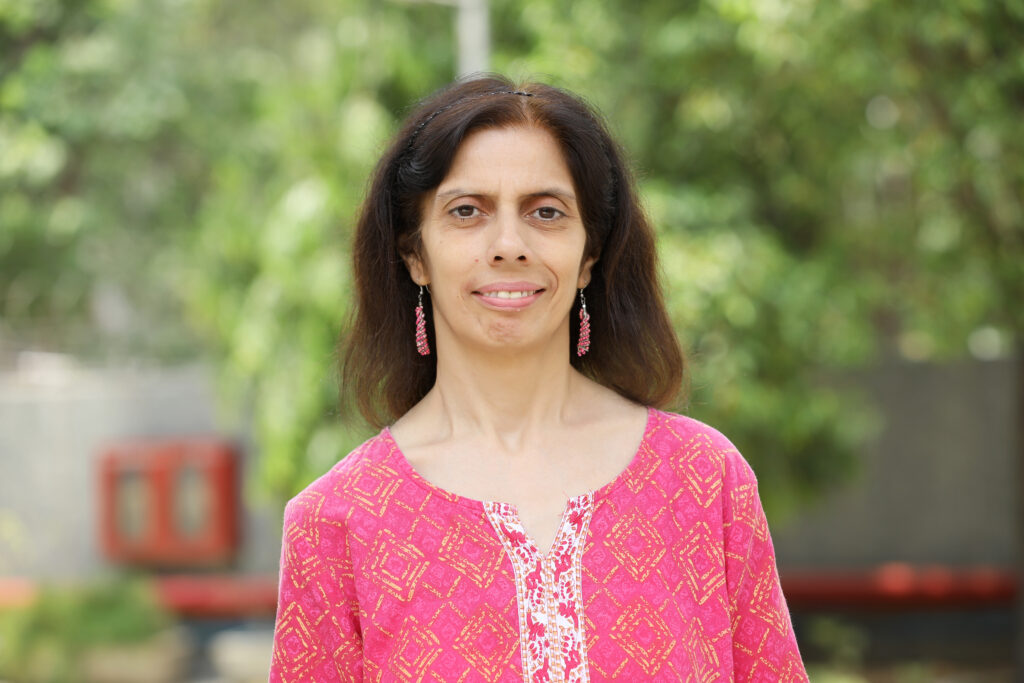
Co Author Anupma Mehta
Q-10 Nearly three decades after the Kargil War, why do you believe Captain Vikram Batra’s story remains as relevant as ever?
Captain Vikram Batra’s story continues to remain timeless decades after the Kargil War because it is a tale defined by the unique intersection of courage and compassion, accompanied by the enduring human qualities of selfless leadership, profound love for one’s motherland, concern for one’s fellow-men, and the art of embracing success with humility, grace, and poise. Thus, even though the book takes readers through finite moments rooted in history, the lessons it delivers surpass the limitations of time and mortality, ensuring the continued relevance of Vikram’s legacy.
Q-11 What leadership lessons from Captain Batra’s life would you like young professionals, entrepreneurs, and students to embrace?
Captain Vikram Batra’s life was an example in powerful leadership that evoked both respect and affection among the men he led before and during the Kargil War. The fact that he always led from the front, without exposing his comrades to the risks and challenges that he faced should inspire young professionals, entrepreneurs and students to become responsible leaders in their respective domains. He also imparted the critical lesson of building trust through action rather than mere words. A man who was deeply impacted by the loss of a fellow soldier to a bullet that was ostensibly meant for his leader, who exhibited immense benevolence in carrying an injured comrade to safety while directly facing the risk of assault, who exposed himself to the relentless barrage of bullets to neutralise the strategic advantage enjoyed by the enemy, and who maintained integrity and resilience under pressure, embodies ideal leadership qualities that would inevitably prove to be guiding lights for youngsters. These qualities define leaders beyond the battlefield, in classrooms, start-ups, and workplaces.
Q-12 Releasing this memoir on Kargil Vijay Diwas makes the occasion especially symbolic. What emotions do you hope readers experience when they begin reading it on July 26?
The release of this memoir on Kargil Vijay Diwas carries special significance as the day itself evokes feelings of gratitude, humility, and achievement, and above all, a profound respect for the valour and sacrifices of our young soldiers who defended their nation under the direst circumstances in the harshest possible conditions. As we release our book on this date, we hope that readers would remember these challenges and relate to the story with the same feelings of pride and patriotism that the bravehearts in Kargil epitomised. It is also an occasion to reflect upon and appreciate the freedom and peace that the Armed Forces defend for us with their lives. Finally, we hope that the memoir would evoke feelings of brotherhood, family values and humanity that Vikram symbolised.
About : Vikram Batra, Hero for the Nation … A Brother Forever Missed
Yeh Dil Maange More is the story of a hero who never truly left us. When Captain Vikram Batra ascended the icy mountains of Kargil, he carried a nation’s hopes on his shoulders. When he returned wrapped in the Tricolour, he became immortal.
A heartbreaking and deeply inspiring true story of Martyr Captain Vikram Batra, Param Vir Chakra awardee and the face of India’s victory in the 1999 Kargil War, told through the eyes of his identical twin brother, these pages carry the memories no history book ever captured. From the childhood days to the unbearable silence left behind after the war took one of them away.
This is not just a book about battle. It is a story about love, loss, courage, family, and the price of patriotism. It is about a 24-year-old Indian Army officer who smiled in the face of death and whose words, ‘Either I will come back after hoisting the Tricolour, or I will come back wrapped in it’, still send shivers through the heart of a nation.
Raw, intimate, and unforgettable, Yeh Dil Maange More is a tribute to every soldier who never came home, every family that continues to wait, and every Indian who still feels a surge of emotions on hearing the name, Captain Vikram Batra.