


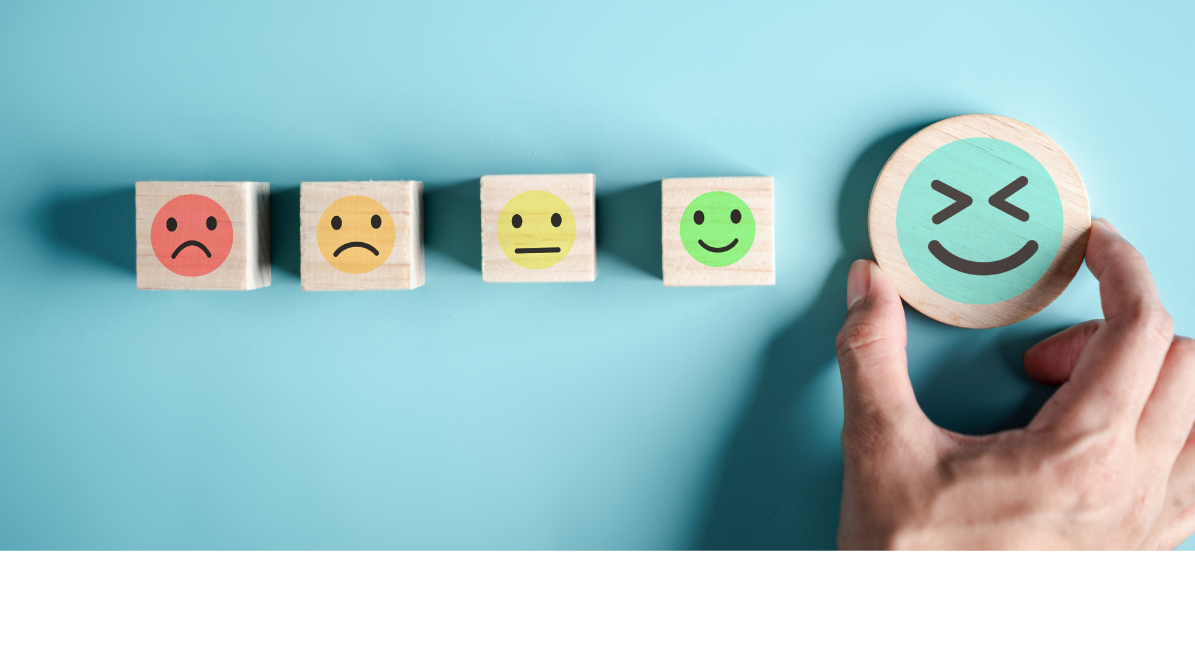
In 2026, health is no longer defined only by medical reports or fitness routines. True wellness is reflected in how we think, respond, and connect with the world around us. Positive living is becoming the foundation of a healthy lifestyle, where small, mindful choices shape both the mind and the body.
One timeless principle continues to guide this shift: treat others the way you wish to be treated. Practicing empathy and understanding reduces conflict and naturally lowers stress levels. When we pause to see things from another person’s perspective, our nervous system relaxes, promoting emotional balance and mental clarity. Empathy is not just a moral value—it is a powerful tool for mental wellness.
A key part of positive living is learning to respond rather than react. Reactions are often impulsive and driven by stress, while responses are thoughtful and calming. Choosing to respond mindfully helps reduce emotional overload, improves focus, and protects inner peace. Similarly, avoiding unnecessary judgement can significantly improve mental health. Judgement often leads to anxiety and dissatisfaction, whereas acceptance creates space for peace and productivity.
Positivity does not mean ignoring reality. Instead, it is a conscious choice to focus on strengths rather than limitations. Practicing gratitude daily has been scientifically linked to lower stress hormones, better immunity, and improved emotional wellbeing. In fact, gratitude acts as a natural form of preventive healthcare, strengthening both the mind and the body.
Another powerful habit for 2026 is performing one anonymous act of kindness each week. Helping others without expecting recognition builds humility, increases happiness, and enhances emotional resilience. Studies show that such acts can improve sleep quality and boost overall mood, making kindness an essential part of a healthy lifestyle.
Flexibility is equally important in today’s fast-paced world. Being open to different perspectives allows the mind to stay adaptable and reduces mental fatigue. Rigidity, on the other hand, creates stress and limits growth. A flexible mindset encourages learning, improves relationships, and supports long-term mental wellness.
The beauty of positive living lies in its simplicity. True health is not built through dramatic changes but through small, consistent habits practiced every day. When kindness replaces criticism, gratitude replaces complaints, and mindful responses replace impulsive reactions, the mind becomes calm and balanced—and the body naturally follows.
In the end, wellness in 2026 is not about doing more; it is about living smarter and more consciously. By embracing positivity, empathy, and mindfulness, we can create a healthier, happier life—one thought, one action, and one meaningful choice at a time.