


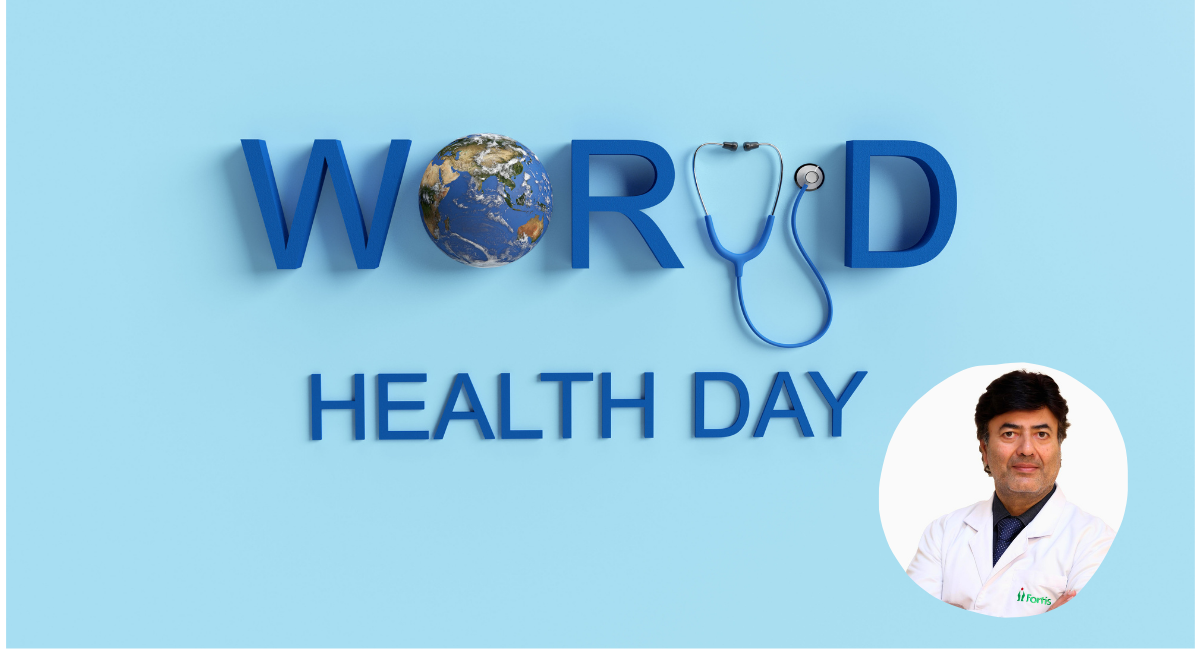
Expert insights from Dr. Rajeev Bedi, Director of Oncology, Fortis (Mohali)
On the occasion of World Health Day, the spotlight turns to one of the most pressing global health challenges—cancer. With India reporting over a million new cases every year, the disease continues to grow as a major public health concern, ranking among the top contributors to the global cancer burden alongside the United States of America and China. As awareness becomes the cornerstone of prevention and early detection, addressing myths surrounding cancer is more important than ever.
According to Dr. Rajeev Bedi, individuals at higher risk include those with a strong family history of cancer, genetic mutations such as BRCA1 or BRCA2, long-term tobacco or alcohol use, chronic infections like Hepatitis B, Hepatitis C, or HPV, and prolonged exposure to harmful substances. Age also plays a significant role, as the chances of genetic mutations increase over time.
A common misconception is that cancer is purely hereditary. In reality, only 5–10% of cancers are linked to inherited genes. The majority are influenced by lifestyle and environmental factors such as poor diet, obesity, tobacco use, alcohol consumption, infections, and pollution. This highlights a crucial message of World Health Day—many cancers are preventable through healthier living.
Another myth is that cancer always presents clear symptoms. While some cancers remain silent in early stages, many do show subtle warning signs. Breast, cervical, and colorectal cancers, for instance, can often be detected early through screening and awareness. Even cancers that are harder to detect, like pancreatic or ovarian cancer, may present signs such as unexplained weight loss, fatigue, or digestive issues. Recognising these early signals can make a life-saving difference.
There is also widespread fear that a biopsy might spread cancer. Medical science firmly debunks this belief—modern biopsy techniques are safe and essential for accurate diagnosis. Delaying or avoiding them can lead to late detection and poorer outcomes.
Diet-related myths are equally common, particularly the belief that sugar directly feeds cancer cells. While all cells use glucose for energy, eliminating sugar does not cure cancer. However, excessive sugar intake can lead to obesity, which is a known risk factor. Maintaining a balanced diet remains key to overall health and cancer prevention.
Statistically, cancer incidence is slightly higher in men, largely due to higher exposure to risk factors such as tobacco and alcohol, along with lower participation in preventive health checkups. However, certain cancers, like breast cancer, predominantly affect women, reinforcing the need for gender-specific awareness and screening.
Genetic testing, especially BRCA testing, is gaining traction in India as awareness grows. While it does not prevent cancer, it helps identify high-risk individuals who can then opt for preventive measures such as regular screenings, lifestyle changes, or even preventive treatments.
The idea of personalised healthcare strongly aligns with the spirit of World Health Day. Every cancer journey is unique—not just biologically, but also emotionally and socially. Differences in genetic makeup, treatment response, mental resilience, family support, and financial capacity all shape an individual’s experience. Modern oncology focuses on personalised, patient-centred care, ensuring that treatment plans are tailored to each individual’s needs.
As we observe World Health Day, the message is clear—prioritising health is the first step towards prevention. Simple lifestyle choices such as avoiding tobacco, limiting alcohol, staying physically active, maintaining a healthy weight, eating nutritious food, and opting for regular screenings can significantly reduce cancer risk. Vaccinations against HPV and Hepatitis B also play a vital role in prevention.
Cancer may not always be preventable, but awareness, early detection, and informed choices can save lives. On this World Health Day, let us move beyond myths and take conscious steps towards a healthier, more informed future.
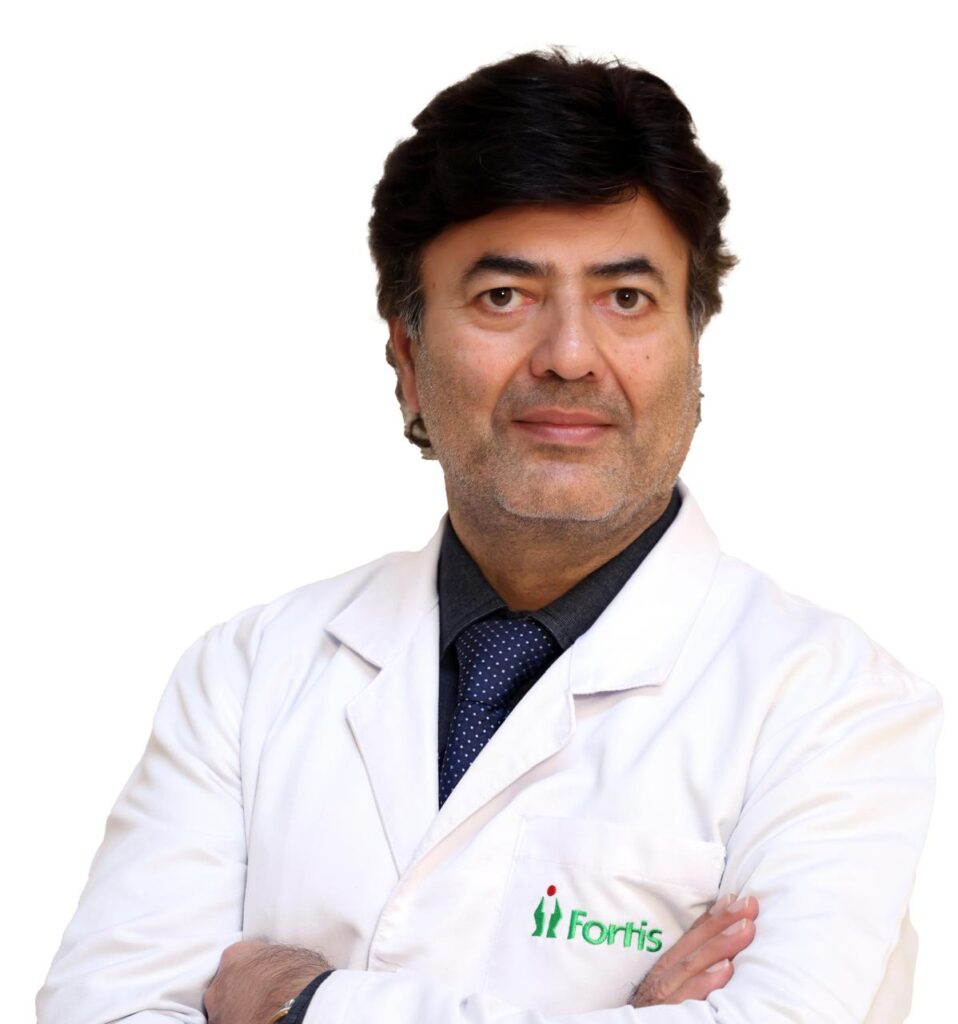
Dr. Rajeev Bedi is a gold-medallist medical oncologist with nearly three decades of experience. After completing his Doctorate of Medicine in Oncology from All India Institute of Medical Sciences, he trained in haemato-oncology at the Royal Marsden Hospital. He was awarded the Geeta Mittal Award for Best Cancer Researcher by A. P. J. Abdul Kalam.